Archives
- 2026-04
- 2026-03
- 2026-02
- 2026-01
- 2025-12
- 2025-11
- 2025-10
- 2025-09
- 2025-03
- 2025-02
- 2025-01
- 2024-12
- 2024-11
- 2024-10
- 2024-09
- 2024-08
- 2024-07
- 2024-06
- 2024-05
- 2024-04
- 2024-03
- 2024-02
- 2024-01
- 2023-12
- 2023-11
- 2023-10
- 2023-09
- 2023-08
- 2023-07
- 2023-06
- 2023-05
- 2023-04
- 2023-03
- 2023-02
- 2023-01
- 2022-12
- 2022-11
- 2022-10
- 2022-09
- 2022-08
- 2022-07
- 2022-06
- 2022-05
- 2022-04
- 2022-03
- 2022-02
- 2022-01
- 2021-12
- 2021-11
- 2021-10
- 2021-09
- 2021-08
- 2021-07
- 2021-06
- 2021-05
- 2021-04
- 2021-03
- 2021-02
- 2021-01
- 2020-12
- 2020-11
- 2020-10
- 2020-09
- 2020-08
- 2020-07
- 2020-06
- 2020-05
- 2020-04
- 2020-03
- 2020-02
- 2020-01
- 2019-12
- 2019-11
- 2019-10
- 2019-09
- 2019-08
- 2019-07
- 2019-06
- 2019-05
- 2019-04
- 2018-11
- 2018-10
- 2018-07
-
The feasibility of using the Fas Fas ligand FasL system
2021-11-12
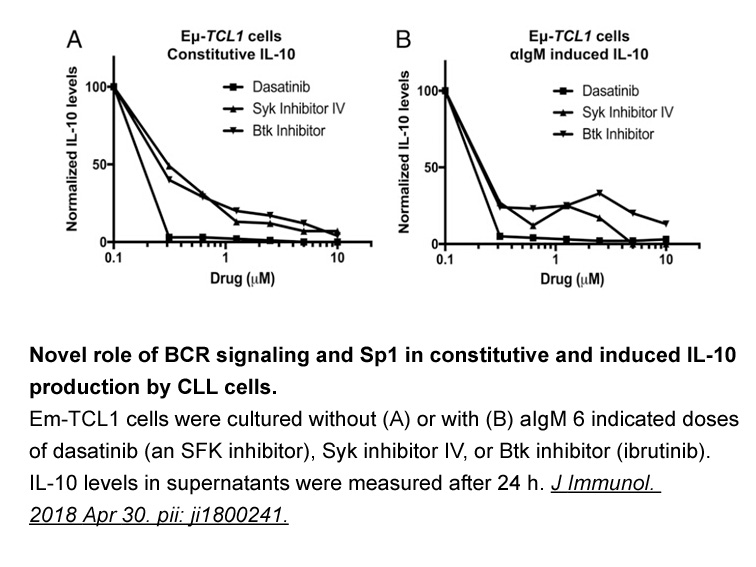
The feasibility of using the Fas/Fas ligand (FasL) system to target vascular progenitor chemokine receptor contributing to intimal hyperplasia has been shown in many studies [[18], [19], [20], [21], [22], [23], [24]]. Fas receptor, a member of tissue necrosis factor family, is a death receptor that
-
Compound a substituted phenyl H
2021-11-12
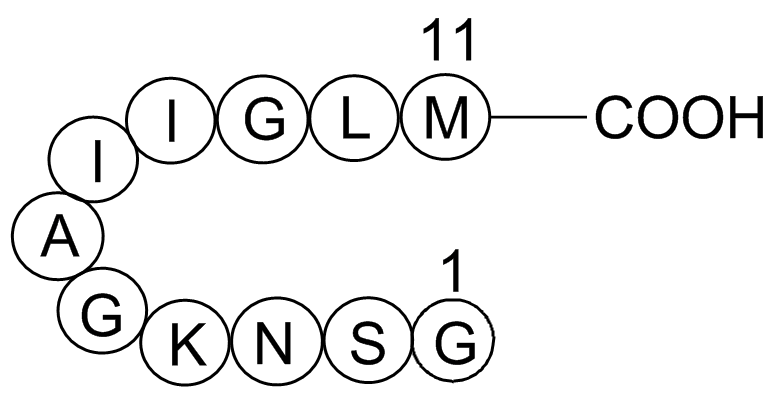
Compound 6, a 5-(4-substituted-phenyl)-5H-pyrano[2,3-d:-6,5-d′]dipyrimidine derivative was invented previously to have significant efficacy to inhibit HIV integrase enzyme with 0.9 ± 0.4 μM of IC50 against 3′-processing and 16.1 ± 10.7 μM of IC50 against strand transfer suppression. The compound ind
-
br Conclusion Leukocytes adhesion to endothelial cells
2021-11-12
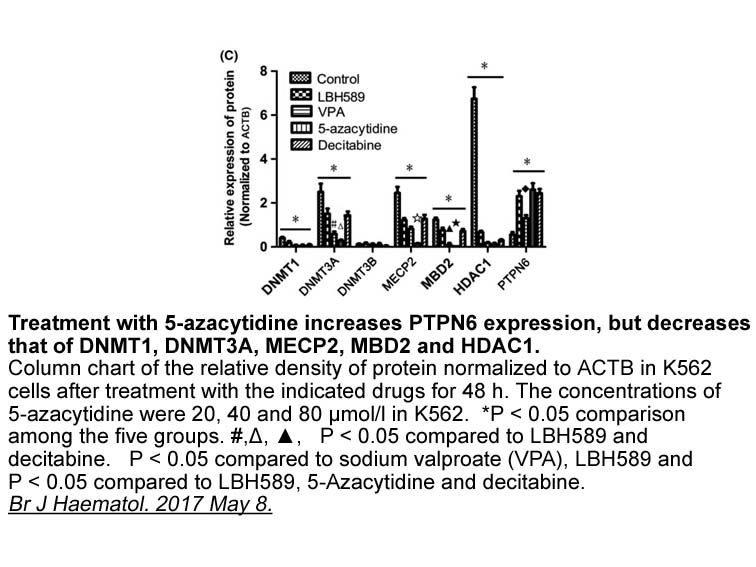
Conclusion Leukocytes adhesion to endothelial cells is one of the most critical event in the inflammatory response. In presented paper using a relevant model of adhesion we have demonstrated that histamine influence eosinophils adhesion to endothelium. This effect appears to be mediated by H4 his
-
Intracellular signaling pathways leading to
2021-11-12

Intracellular signaling pathways leading to IR injury are initiated by an increase in reactive oxygen species (ROS). This occurs principally at the time of initiation of reperfusion, which is accompanied by the re-admission of oxygen to the ischemic tissue. The resulting cascade of downstream events
-
Accessibility and physico chemical features of cysteine resi
2021-11-11
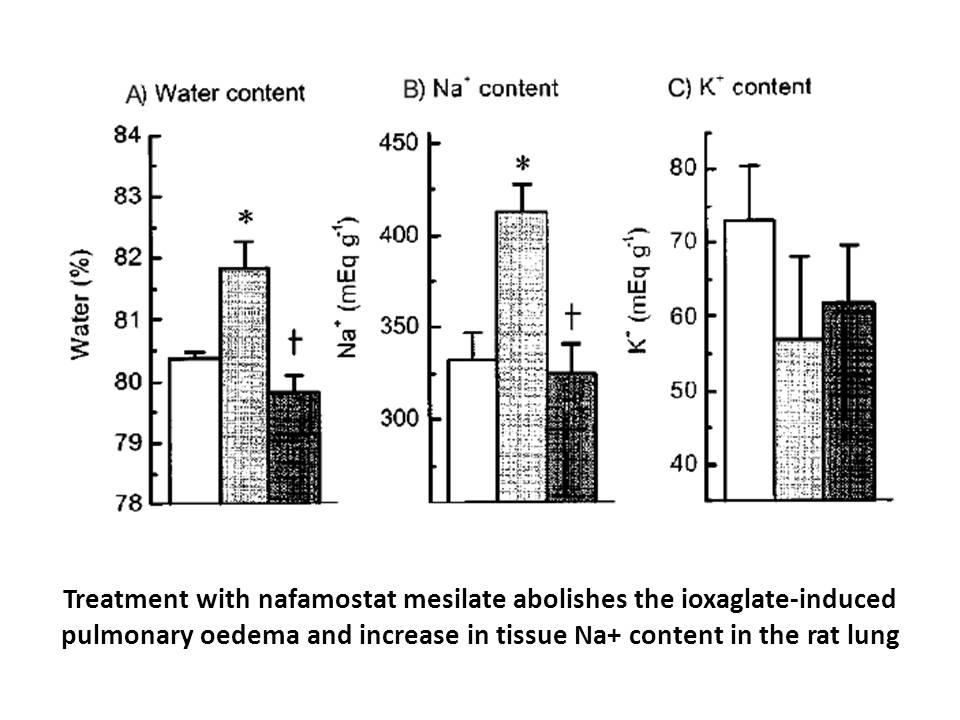
Accessibility and physico-chemical features of cysteine residues define their redox-reactivity and the 3-dimensional structure of GSNOR allows to identifying such surface-exposed, redox-sensitive cysteine residues. GSNOR crystal structures are available from human (Protein Data Bank code: 1MP0), tom
-
To further investigate if GPR was the functional
2021-11-11
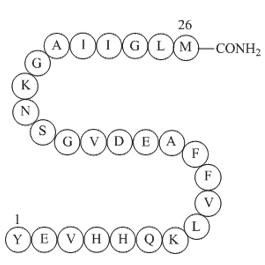
To further investigate if GPR40 was the functional target of these phenylpropiolic Cystamine dihydrochloride analogs, GW-1100, a selective antagonist of GPR40-mediated Ca2+ elevations in HEK293 cells with an IC50 value equal to 1 μM, was used to inhibit agonist-induced intracellular calcium flux [1
-
The chemical structure of BAs consists of a
2021-11-11
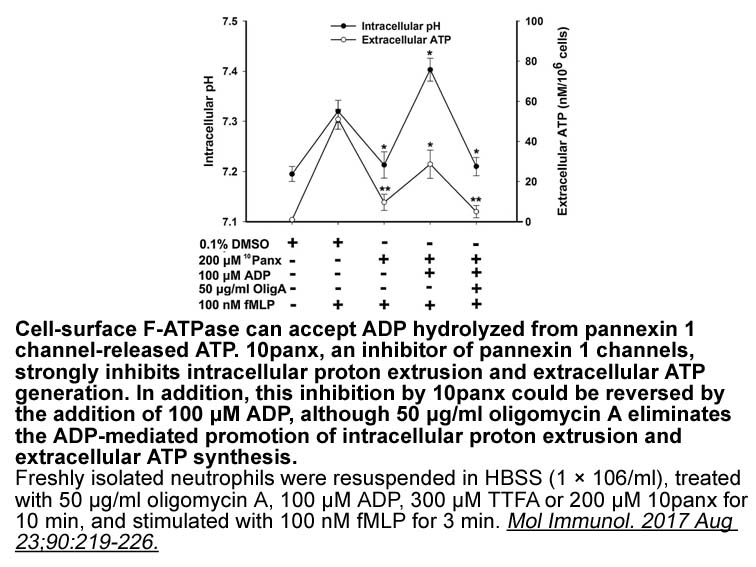
The chemical structure of BAs consists of a steroid nucleus with an acidic side chain. They are amphipatic molecules characterized by a hydrophilic α-face and a hydrophobic β-face. The hydrophobic pocket of the FXR LBD interacts with BAs largely through the β-face. The α-face contains several hydrox
-
In the case of acute inflammation such
2021-11-11
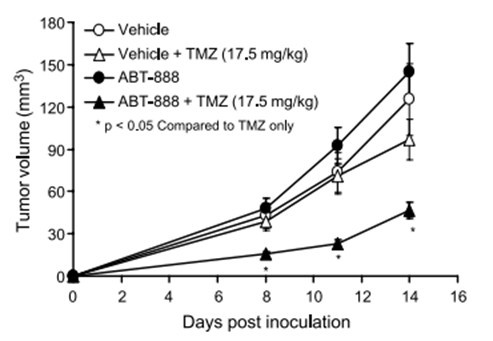
In the case of acute inflammation such as ischemic injury of heart, brain, lung and kidney as wells as in the case infection related injury it is now well established that the leukocytes particularly polymorphonuclear (PMNs) PD0325901 are the first responders. Under normal circumstances these leuko
-
ADAM has two alternative splicing forms a membrane anchored
2021-11-11
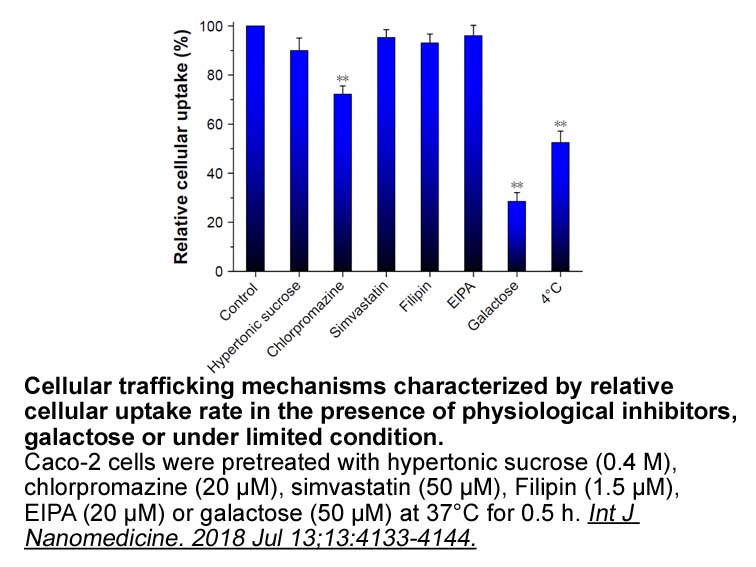
ADAM12 has two alternative splicing forms, a membrane-anchored long form (ADAM12-L) and a secreted short form (ADAM12-S). Both the long and short forms have metalloproteinase, disintegrin, cysteine-rich, and epidermal growth factor-like domains and can shed pro-heparin binding-epidermal growth facto
-
Experimental conditions may be critical to explain one model
2021-11-11
Experimental conditions may be critical to explain one model or the other. The matter of Hippo-driven cytoplasmic sequestration (Varelas et al., 2008) of active SMAD complexes (Varelas et al., 2008) vs. TßR basolateral relocalization upon epithelial polarization (Nallet-Staub et al., 2015) as mechan
-
br Conflict of interest statement
2021-11-11

Conflict of interest statement Introduction The Hedgehog (Hh) family of secreted protein signals patterns many tissues and structures during embryogenesis (Chiang et al., 1996, Dessaud et al., 2008, Ingham, 1993) and, post-embryonically, governs tissue homeostasis and regeneration by regulatin
-
GCIPs are highly conserved Ca binding proteins first
2021-11-10
GCIPs are highly conserved Ca2+-binding proteins first discovered in the frog [42] and later in teleost [9]. With regard to gene structure, sequence conservation, and function, GCIPs are evolutionarily related to the GCAPs. The GCIP genes have acquired an additional intron in the N-terminal region w
-
On the basis of the foregoing set of
2021-11-10
On the basis of the foregoing set of considerations, L1 could exert three possible actions on sGC determining its deactivation, schematically depicted in Fig. 6: i) oxidation of Fe2+ to Fe3+; ii) coordination to sGC, conjecturably, via the pyridyl nitrogen of the canthin-6-one; iii) coordinating and
-
The Scribble complex localizes to the leading edge
2021-11-10
The Scribble complex localizes to the leading edge in response to integrin engagement. There, Scribble controls the activation Rac and PAK via the Rac GEF β-Pix (Bahri et al., 2010), which is required for collective cell migration (Omelchenko et al., 2014). However, on the rear edge, Scribble can be
-
Accessibility and physico chemical features of cysteine resi
2021-11-10

Accessibility and physico-chemical features of cysteine residues define their redox-reactivity and the 3-dimensional structure of GSNOR allows to identifying such surface-exposed, redox-sensitive cysteine residues. GSNOR crystal structures are available from human (Protein Data Bank code: 1MP0), tom
16621 records 583/1109 page Previous Next First page 上5页 581582583584585 下5页 Last page