Archives
- 2026-04
- 2026-03
- 2026-02
- 2026-01
- 2025-12
- 2025-11
- 2025-10
- 2025-09
- 2025-03
- 2025-02
- 2025-01
- 2024-12
- 2024-11
- 2024-10
- 2024-09
- 2024-08
- 2024-07
- 2024-06
- 2024-05
- 2024-04
- 2024-03
- 2024-02
- 2024-01
- 2023-12
- 2023-11
- 2023-10
- 2023-09
- 2023-08
- 2023-07
- 2023-06
- 2023-05
- 2023-04
- 2023-03
- 2023-02
- 2023-01
- 2022-12
- 2022-11
- 2022-10
- 2022-09
- 2022-08
- 2022-07
- 2022-06
- 2022-05
- 2022-04
- 2022-03
- 2022-02
- 2022-01
- 2021-12
- 2021-11
- 2021-10
- 2021-09
- 2021-08
- 2021-07
- 2021-06
- 2021-05
- 2021-04
- 2021-03
- 2021-02
- 2021-01
- 2020-12
- 2020-11
- 2020-10
- 2020-09
- 2020-08
- 2020-07
- 2020-06
- 2020-05
- 2020-04
- 2020-03
- 2020-02
- 2020-01
- 2019-12
- 2019-11
- 2019-10
- 2019-09
- 2019-08
- 2019-07
- 2019-06
- 2019-05
- 2019-04
- 2018-11
- 2018-10
- 2018-07
-
The fact that Yoda can activate Piezo in
2024-10-08
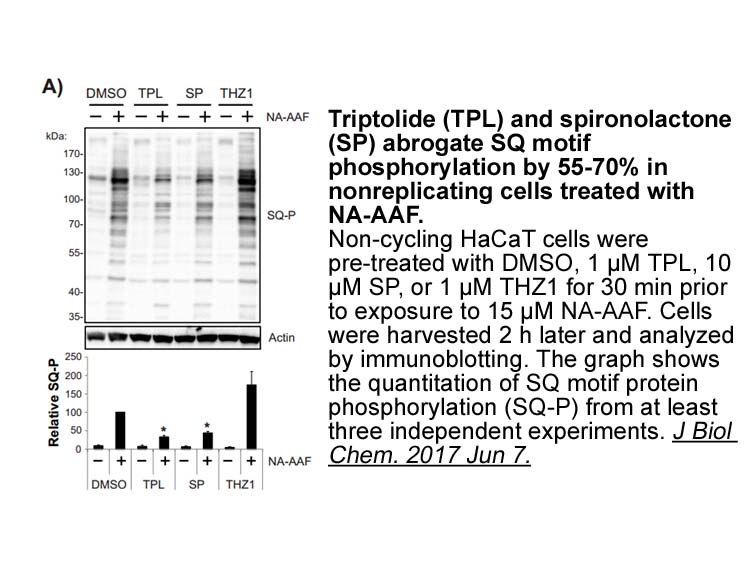
The fact that Yoda1 can activate Piezo1 in the absence of other cellular components other than a cell membrane [2], suggests that it may directly interact with and activate Piezo1. However, this does not preclude Yoda1 from interacting and activating non-Piezo channels, particularly in endothelial c
-
br Impact of global AHR deficiency on diet induced
2024-10-08
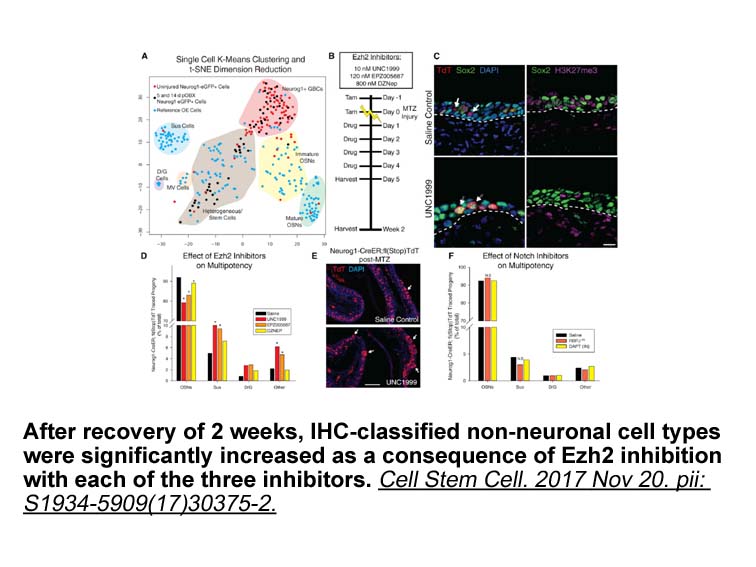
Impact of global AHR deficiency on diet-induced obesity Two subsequent studies in which AHR function was affected at the whole animal level corroborated the role of AHR in dietary obesity. Xu et al. [14] showed that on a high-fat diet, both AHR-deficient Ahr−/− and hemizygous Ahr+/− mice gained s
-
The direction of glutamate transport by the cell membrane tr
2024-10-08
The direction of glutamate transport by the cell membrane transporter is reversible. As mentioned above, glutamate transport is an electrogenic process associated with a transmembrane ion gradient established by the Na+-K+ pump through hydrolysis of adenosine triphosphate. Under conditions of energy
-
br The human CYP A gene is located on
2024-10-08
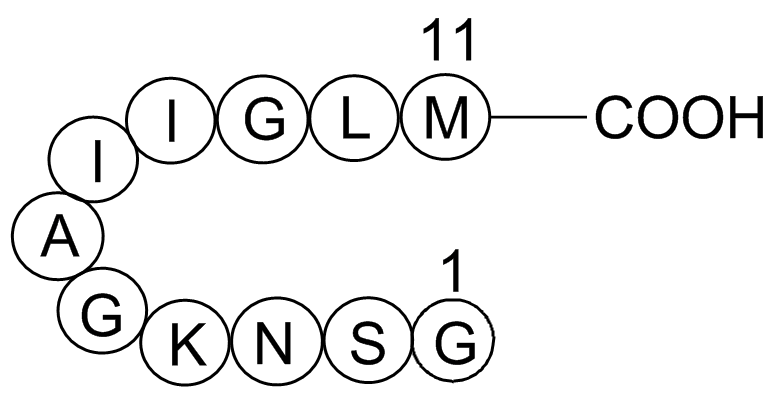
The human CYP17A1 gene is located on chromosome 10q24.3 (1) and spans 6.6 kb, which contain eight exons (2) and 1.6 kb of coding region. From this gene, the same 2.1-kb mRNA species is transcribed in both the adrenals and gonads (3), which yields a 57-kDa microsomal cytochrome P450c17 enzyme (CYP1
-
In this scenario the receptor tyrosine kinase inhibitors TKI
2024-10-08

In this scenario, the receptor tyrosine kinase inhibitors (TKI), sunitinib, an anti-angiogenic agent, was tested in phase III trial, leading to a longer progressing free survival when compared to interferon (median: 11 vs. 5mo, respectively, hazard ratio (HR) = 0.42; 95% CI: 0.32–0.54; Pits Ciproflo
-
The inhibition of ACLY induces an anticancer effect that has
2024-10-08

The inhibition of ACLY induces an anticancer effect that has been reported to be involved in mitochondrial reactive oxygen species (ROS) generation [14], [16], dual blockade of mitogen-activated protein kinase and phosphatidylinositol-3-kinase/AKT pathways [11], and the glycolytic phenotype of tumor
-
Several mechanisms have been suggested
2024-10-08

Several mechanisms have been suggested to account for the causal association of ICAM-1 induction and leukocyte adhesion with DR, including oxidative stress [16], NF-κB [17], PKC [18], and bioactive lipids [19]. Our previous studies highlighted the role of bioactive lipid metabolites derived from 12/
-
br Materials and methods br Results
2024-10-08
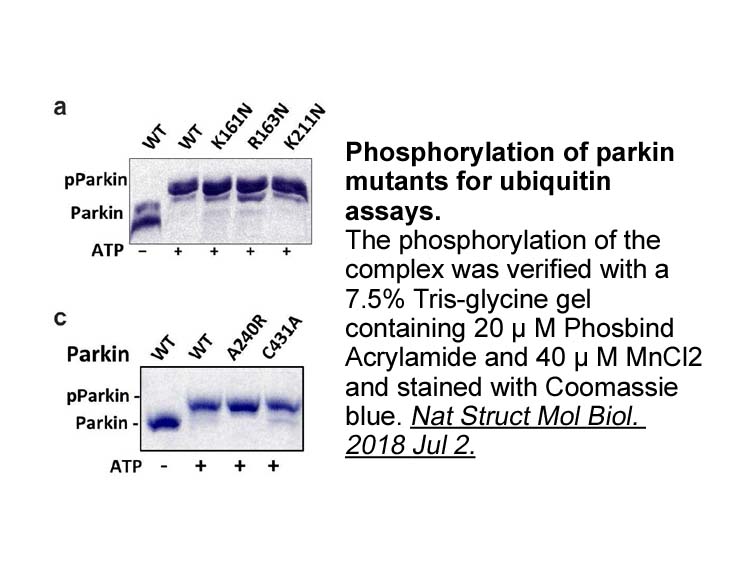
Materials and methods Results Discussion The current treatment modalities for colorectal cancer are hampered by various issues such as high acquired resistance, long-term complication with potential of cancer recurrence, severe side-effects and poor therapeutic index [50], [51], [52]. Compl
-
In a missense mutation at
2024-10-08
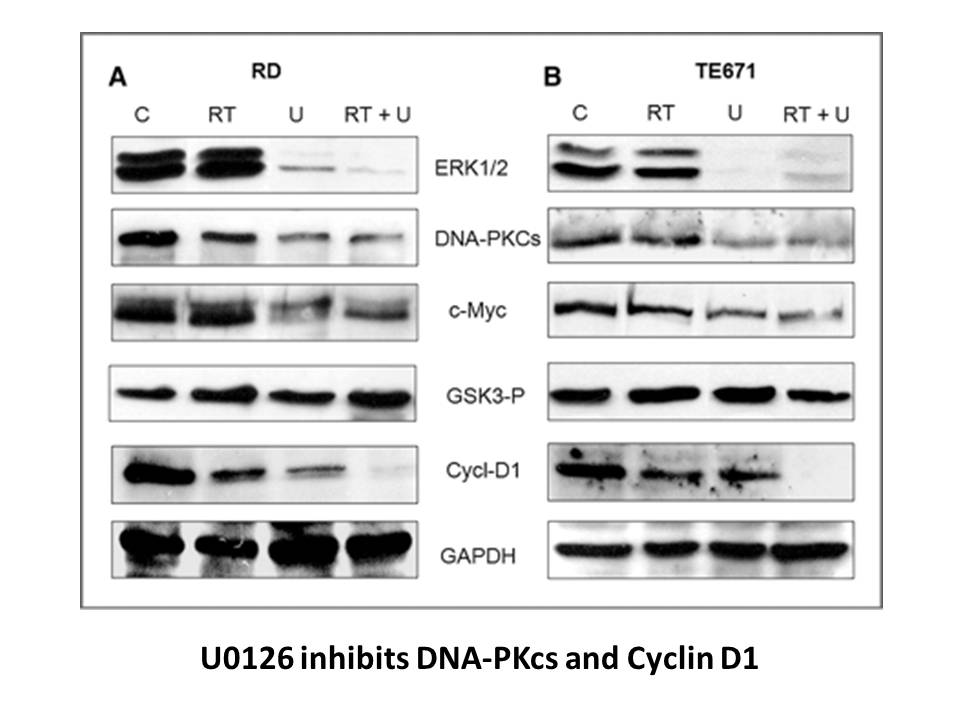
In 1989, a missense mutation at codon 102 of the PRNP gene was first reported to be associated with GSS and, in 1991, the same mutation was also found in affected members of the “H” family (Hsiao et al., 1989; Kretzschmar et al., 1991). By 1995, the pedigree of the “H” family included 221 family mem
-
Gliomas and Aldehyde Dehydrogenase Aldehyde dehydrogenases A
2024-10-03
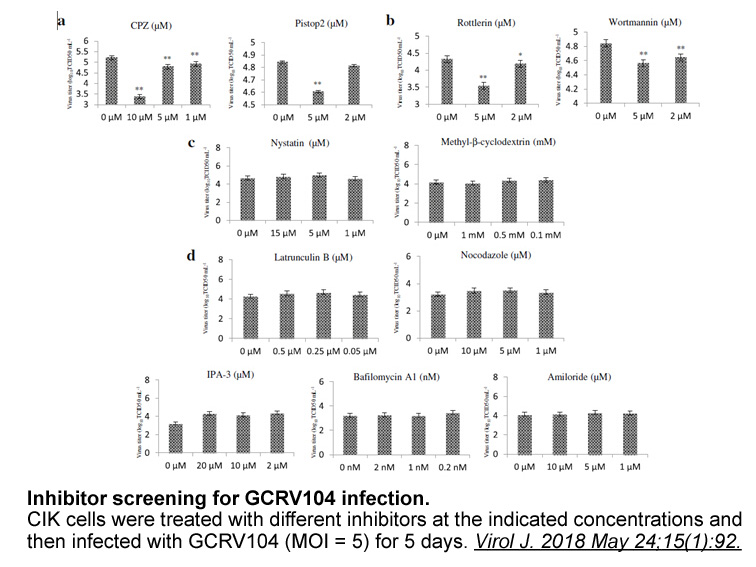
Gliomas and Aldehyde Dehydrogenase Aldehyde dehydrogenases (ALDHs) are key metabolic enzymes involved in regulation of glycolysis/gluconeogenesis pathways as well as in the detoxification of endogenous and exogenous aldehydes, regulating cell function and homeostasis. ALDHs play important roles in
-
br Conflict of interest br Acknowledgments This work
2024-10-01
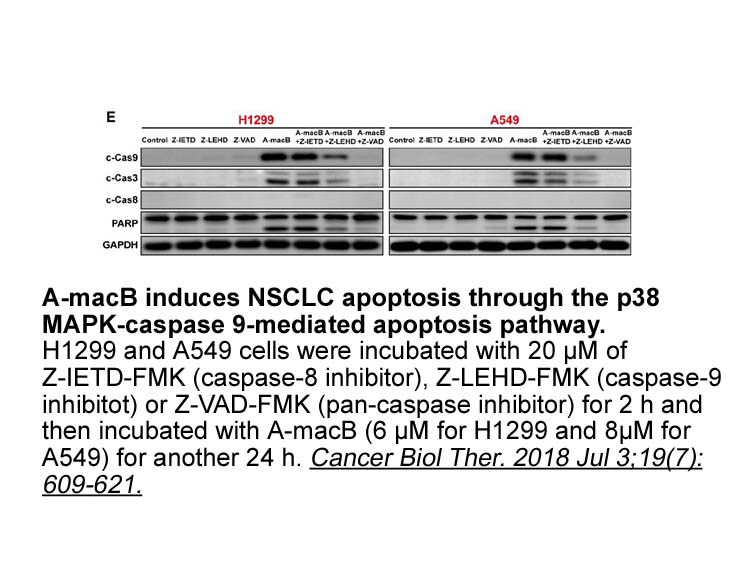
Conflict of interest Acknowledgments This work was been partially supported by the following grants: C.I.S.I.A. project (Innovazione e Sviluppo del Mezzogiorno—Conoscenze Integrate per Sostenibilità ed Innovazione del Made in Italy Agroalimentare—Legge 191/2009) from the Italian Ministry of Ec
-
To identify the kinase s mediating
2024-10-01
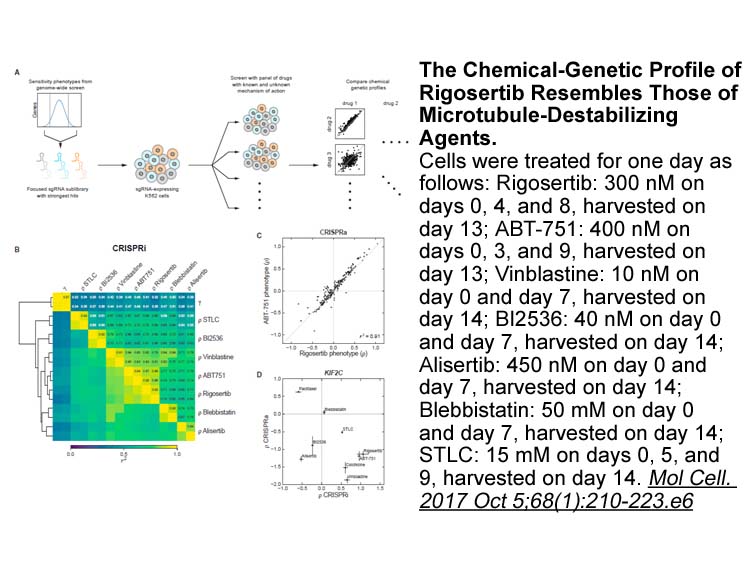
To identify the kinase(s) mediating H3.3S31 phosphorylation, we devised a 96-well-plate-compatible immunostaining assay, with p38 mapk inhibitor specific for H3.3S31ph, and utilized it to screen both a Qiagen siRNA library covering 720 human kinases and a kinase inhibitor library (Selleck) containi
-
Aurora B is also known as chromosomal passenger protein and
2024-10-01

Aurora-B is also known as chromosomal passenger protein and localizes at the chromosome arms and at centromeres during prophase. As cell cycle continues, Aurora-B moves towards the inner centromere region followed by the central spindle and cortex during pepstatin and finally accumulates in the mid
-
br Regulation of BCAA catabolism The
2024-10-01
Regulation of BCAA catabolism The BCAA catabolic system is equipped in mammalian cells to dispose of excess BCAAs, presumably resulting in relatively stable concentrations of BCAAs in blood and tissues in humans. The main BCAA catabolic pathway is localized in the mitochondria of all tissues. The
-
Most of the identified aldose reductase inhibitors possess u
2024-10-01
Most of the identified aldose reductase inhibitors possess undesirable effects like poor pharmacokinetic properties, hypersensitivity and Steven-Johnson Syndrome [1]. However, the main side effect is the lack of selectivity relative to aldehyde reductase (ALR1, EC 1.1.1.2). ALR1 plays the important
16610 records 89/1108 page Previous Next First page 上5页 8687888990 下5页 Last page